
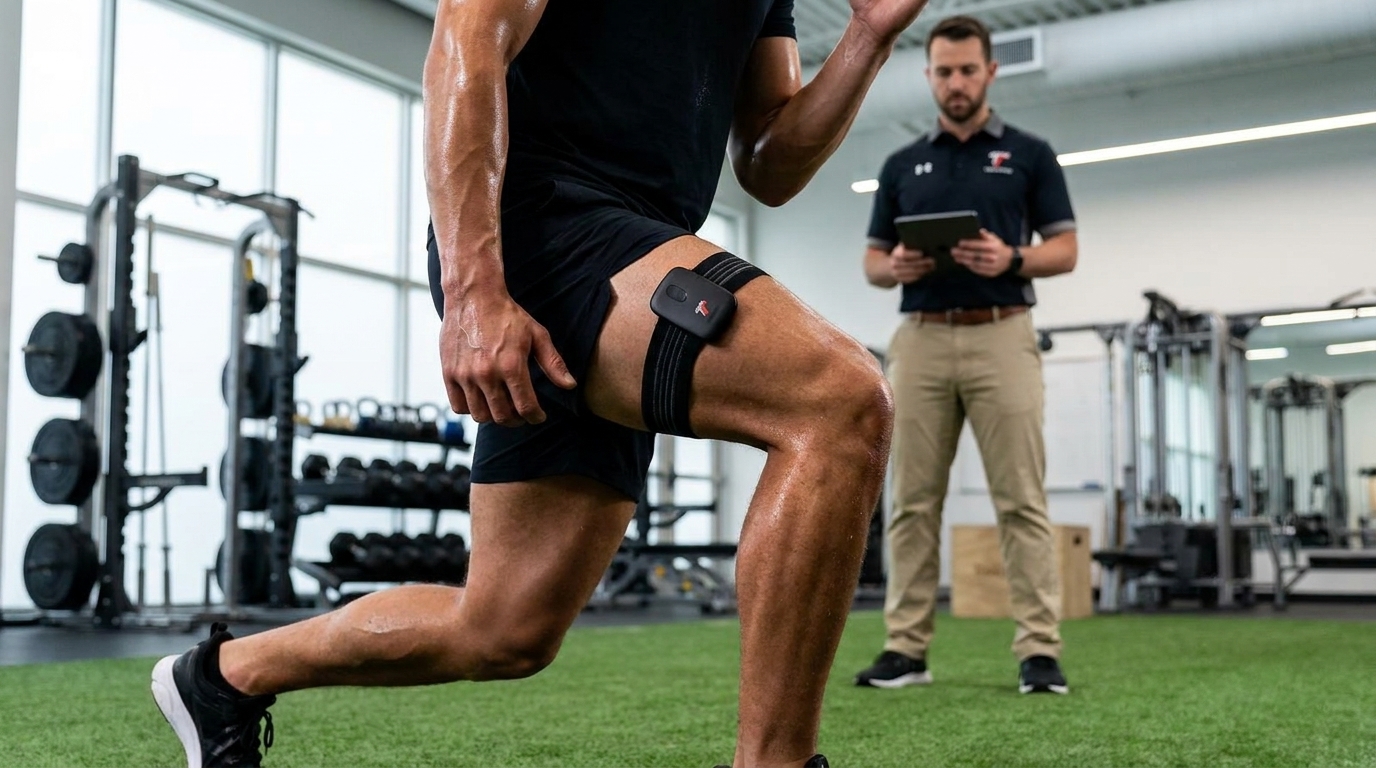
Leading a rigorous strength and conditioning program requires balancing intense physiological adaptation with injury prevention. Coaches traditionally rely on systemic measurements to guide their most critical decisions. Heart rate monitors and global positioning systems provide valuable external load data across entire rosters. These standard tools fail to reveal precisely how working muscles respond to stress during explosive movements. Real-time metabolic load assessment solves this critical blind spot completely. Implementing advanced oxygen monitoring transforms daily programming from educated estimations into exact scientific practices. You gain direct visibility into cellular energy demands exactly when they happen on the field. The Train.Red FYER 2.0 introduces unparalleled accuracy for tracking these localized responses. Conditioning professionals can now bridge the gap between perceived exertion and actual biological cost, ensuring optimal athlete development.
Systemic fatigue indicators only tell part of the physiological story. Monitoring cardiovascular output resembles checking a massive commercial building’s total power consumption at the end of the day. A high electricity bill confirms heavy usage without identifying which specific machines draw the most current. Localized oxygen saturation operates like an isolated power meter attached directly to the heaviest equipment on the floor. Coaches who track specific muscle groups discover exactly where energy depletion originates. Real-time metabolic load assessment highlights hidden vulnerabilities before systemic exhaustion occurs. Recognizing this localized demand allows trainers to intervene immediately during complex drills. Athletes achieve optimal stimulation without accumulating unnecessary central fatigue that delays weekly recovery.
Athletic performance relies fundamentally on optimal tissue function rather than just macro-cycle planning on a spreadsheet. Measuring local oxygen saturation offers immediate insight into the actual biological cost of any given exercise or movement pattern. Athletes often display normal heart rates while their primary movers suffer deep oxygen deprivation. Overlooking this major disconnect leads to ineffective adaptations and chronic underperformance during critical moments. Precise monitoring captures the true physiological strain placed on both the nervous and muscular systems. Practitioners who utilize these localized insights build stronger, more resilient competitors capable of dominating rigorous competitive schedules without breaking down prematurely.
Decoding the science behind optical sensor technology
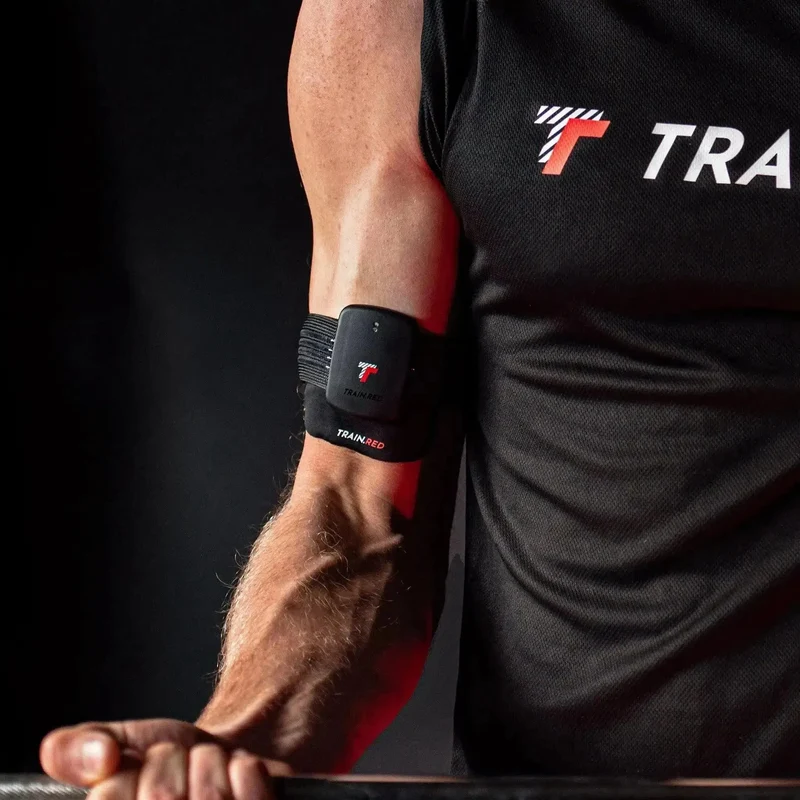
Advanced hardware utilizes Near-Infrared Spectroscopy to penetrate tissue safely. The sensor emits specific light wavelengths into the active fibers during intense exertion. Oxygenated hemoglobin absorbs these optical signals differently than deoxygenated blood. Analyzing this light scatter enables the device to calculate instantaneous saturation percentages. This balance between circulatory delivery and metabolic consumption defines the true effort level. Real-time metabolic load assessment interprets these complex light interactions instantly. According to extensive Near-Infrared Spectroscopy (NIRS) research, this methodology provides highly reliable indicators of localized muscular endurance. Exploring these cellular mechanics provides unprecedented clarity.
Raw waveform outputs often confuse even experienced exercise physiologists working in professional sports. Dedicated applications translate these complex optical signals into clear, actionable scores that anyone can quickly understand. Coaches receive straightforward categorizations regarding the immediate physiological state of the working limb under tension. You can clearly identify the exact moment a player crosses from sustainable aerobic metabolism into rapid anaerobic depletion. Pinpointing this transition establishes a genuine biological threshold for that specific session. Practitioners immediately adjust intensity parameters based on these dynamic states rather than static, outdated percentages. The resulting session perfectly matches the biological capacity of the competitor, guaranteeing maximum return on physical investment.
Real-time metabolic load assessment enhances readiness protocols
Determining absolute readiness remains a constant challenge in high-performance environments. Proper activation routines must increase circulation and tissue temperature without triggering premature depletion. Tracking baseline oxygen values during standard warm-ups creates a unique biological fingerprint for every participant. Coaches quickly notice deviations when saturation drops faster than historical averages dictate. This early warning system flags incomplete recovery from previous matches or hidden peripheral fatigue. Utilizing real-time muscle oxygen saturation metrics empowers immediate autoregulation. Trainers simply modify volume on the fly to prevent systemic compromise later in the week.
Soft tissue damage frequently follows severe peripheral fatigue. Depleted fibers lose their capacity to contract forcefully and absorb impact forces during deceleration. Athletes subconsciously alter their mechanics to compensate for this lost efficiency. Dangerous stress shifts onto tendons, ligaments, and supporting structures when primary movers fail. Maintaining optimal kinematics requires stopping the drill before this deep exhaustion occurs. Real-time metabolic load assessment provides the objective stop-loss signal coaches desperately need. You never have to guess when physical form might collapse. The data clearly shows when restorative intervals fail to replenish the necessary fuel.
Overcoming logistical hurdles in group environments
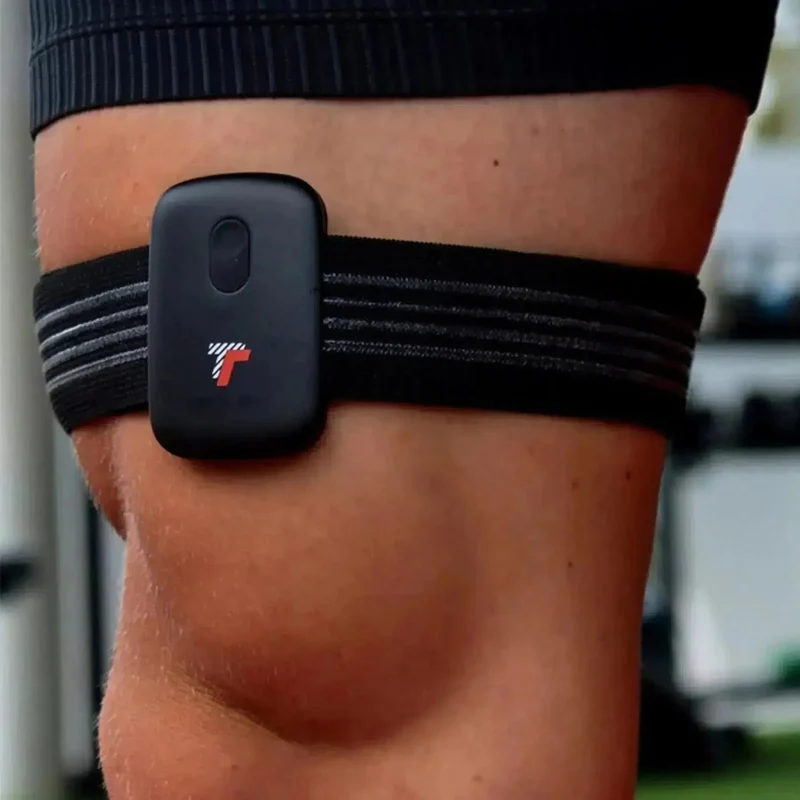
Managing advanced analytics across large groups presents significant logistical challenges for human performance departments. Most laboratory-grade equipment lacks the essential portability required for seamless, everyday field implementation. A technology must deploy quickly across dozens of individuals simultaneously to provide genuine value to a coaching staff. Overcoming this data collection bottleneck separates theoretical science from practical coaching applications that win championships. Advanced sensor iterations specifically address these high-volume workflow requirements perfectly. Practitioners manage complex, multi-athlete datasets without disrupting the natural rhythm of the practice schedule. Streamlined digital interfaces allow conditioning staffs to gather actionable intelligence simultaneously across multiple position groups.
Group monitoring capabilities represent a massive leap forward for strength departments. A centralized platform allows you to connect 10+ sensors to a single device for comprehensive oversight. Performance managers track a whole positional unit concurrently without requiring ongoing software subscriptions. Every participant receives the exact dosage of physical stress necessary for maximal improvement. This mass deployment ensures that no one crosses the dangerous threshold into overtraining. Scaling localized insights elevates the entire program above traditional estimation methods. Implementing this broad scale tracking drastically reduces widespread fatigue accumulation.
Ensuring hardware durability for rugged applications
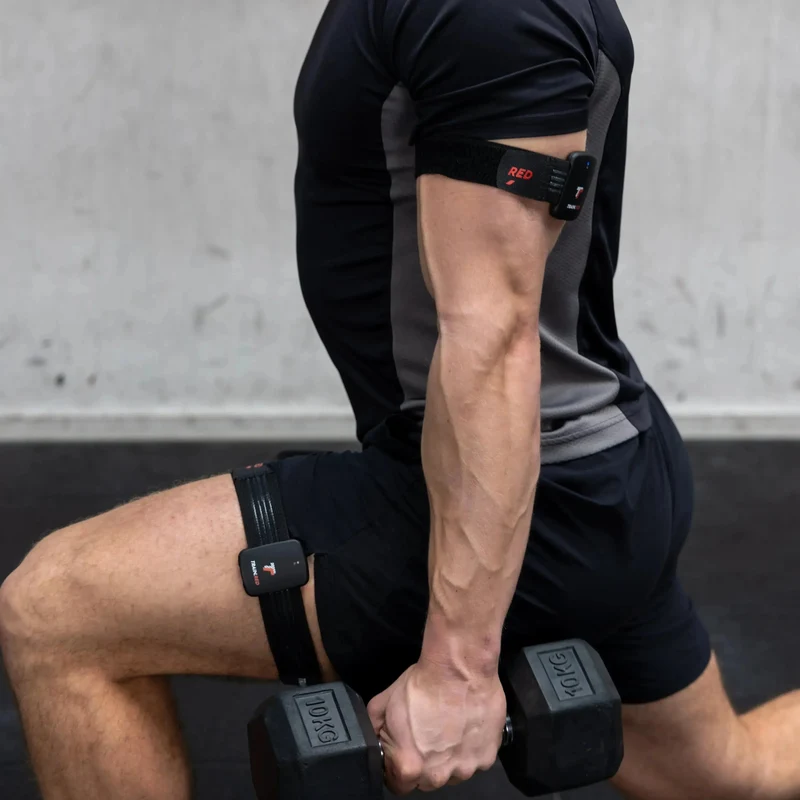
Fragile laboratory instruments cannot survive the realities of daily field use. Athletic facilities demand equipment capable of withstanding heavy impact and constant motion. Weighing just twenty grams, the specialized sensor remains completely unobtrusive during dynamic exercises. Competitors execute maximum velocity sprints and heavy compound lifts without any biomechanical interference. Wearables must blend silently into the background to preserve natural movement patterns. Uninterrupted data flow relies on hardware that ignores environmental extremes. High-quality manufacturing guarantees these tools endure the harshest practice conditions imaginable. Evaluating ruggedness proves essential for long-term deployment strategies.
Moisture resistance plays a crucial role in outdoor performance tracking. An impressive waterproof rating shields internal components from intense perspiration and unexpected rainstorms. Reliable electronics ensure that bad weather never interrupts critical physiological evaluations. Devices boast extensive battery longevity alongside substantial onboard storage capacities. Practitioners never worry about mid-session power failures or temporary wireless disconnections. All recorded metrics sync perfectly once the unit returns to range. Consistency in data collection provides the foundation for sound programming adjustments. Uncompromised durability remains non-negotiable for serious conditioning operations.
Revolutionizing standard recovery timelines through data
Individualized restoration strategies depend entirely on accurate internal feedback. Standardized rest periods fail to account for differing aerobic capacities among teammates. One person might fully re-oxygenate their quadriceps in thirty seconds while another requires double that time. Implementing real-time metabolic load assessment eliminates these dangerous assumptions. Coaches prescribe precise intervals based on actual cellular replenishment rather than random clock settings. Maximizing output during every subsequent bout requires starting only when biologically ready. True autoregulation transforms traditional conditioning into highly efficient, individualized prescriptions.
Sports organizations recognize the economic impact of optimized player availability. Keeping top performers healthy directly impacts organizational success and long-term financial stability. Significant capital investments disappear rapidly when star players suffer preventable soft tissue damage. A proactive approach to load management serves as an ultimate insurance policy for sporting institutions globally. Measuring true internal strain mitigates the specific variables responsible for unexpected physical breakdowns. Departments that embrace optical monitoring consistently report superior availability rates throughout grueling competitive schedules. Protecting your most valuable human assets justifies the transition to advanced wearable technology. Strategic adoptions save millions in lost wages, rehabilitation costs, and unrealized competitive potential.
Achieving mastery with real-time metabolic load assessment
Modern conditioning leaves zero room for guesswork or generalized planning. The difference between championship execution and devastating injuries exists within microscopic margins. Moving beyond delayed heart rate signals provides a distinct competitive advantage. Embracing direct muscular evaluation equips your staff with undeniable biological facts. Coaches who adopt these strategies construct highly resilient rosters capable of sustaining peak output. Precision technology ultimately redefines what is possible within human performance optimization. Evolving your monitoring tactics ensures your athletes consistently dominate their competition.

