
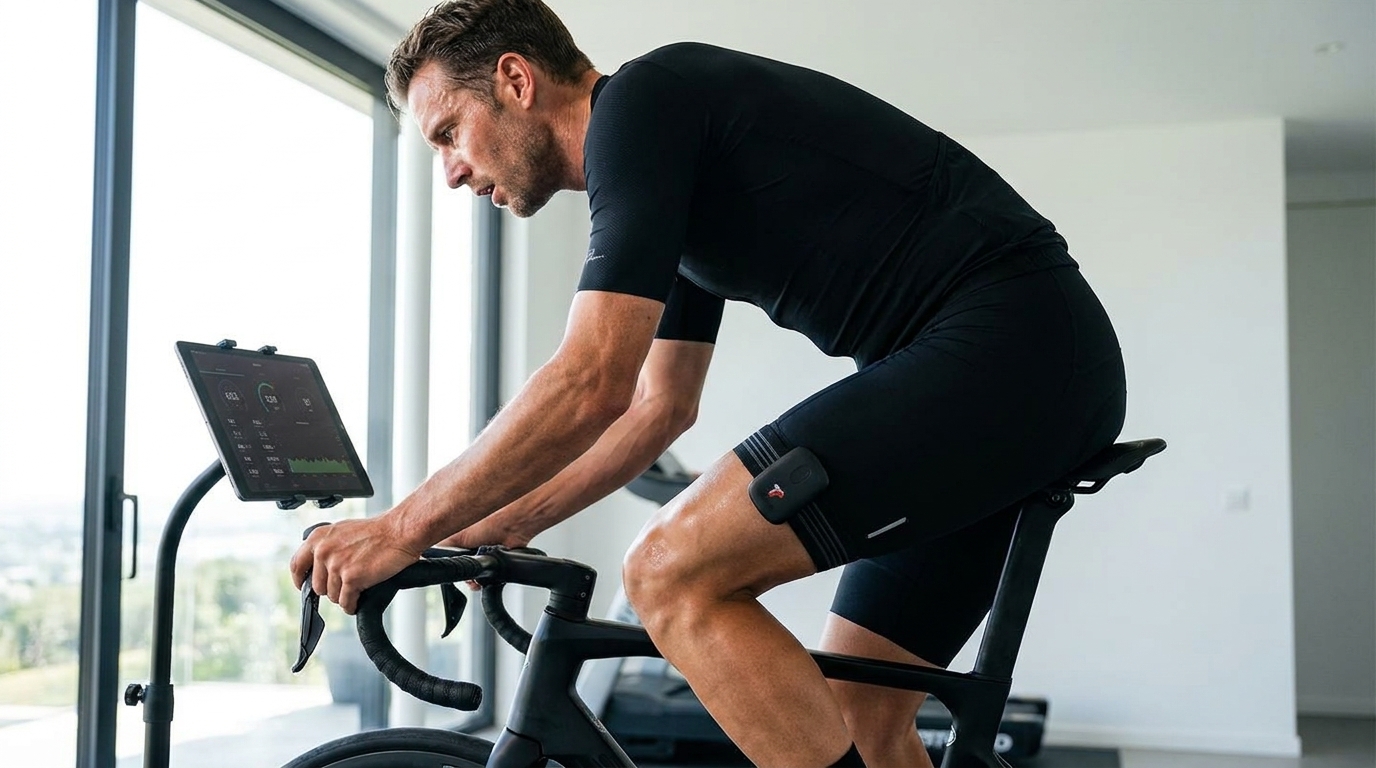
For the modern competitor, managing physical output requires exact scientific precision. You track mechanical workloads via premium power meters and monitor systemic stress through heart rate variability analysis. Yet, when pushing the absolute limits of your functional threshold, these traditional metrics present a fundamental flaw. They tell only a fraction of the biological story. True execution demands knowing the immediate metabolic cost occurring at the cellular level. Adapting near-infrared spectroscopy in sports bridges this ultimate gap. By projecting lab-grade physiological insights directly into your real-world environment, a sophisticated muscle oxygen sensor changes the paradigm. Tracking localized tissue saturation serves as the uncompromising baseline for intelligent, data-driven strategy.
Athletes consistently battle the frustration of pacing high-intensity intervals based on cardiac responses. Systemic data lags noticeably behind actual muscular effort. This cardiovascular delay forces you into critical errors. You either overshoot your target zone and accumulate premature blood lactate, or undershoot it and minimize the adaptive stimulus. Every percentage point of physical output dictates the success of a competitive block. Relying on delayed systemic metrics introduces an unacceptable variable into your training architecture. Your heart rate monitor simply tells you what happened thirty seconds ago, completely missing the reality of the present moment.
Power meters successfully resolve this lag by providing immediate mechanical readings. However, they possess a massive analytical blind spot. These devices measure external wattage without reflecting the internal physiological cost required to produce that power on any given day. Factors like accumulated fatigue, environmental heat stress, dehydration, and inadequate glycogen fueling dramatically alter your biological efficiency. Integrating advanced near-infrared spectroscopy in sports completely resolves this discrepancy. By revealing the true internal metabolic demand, you eliminate the guesswork entirely. When your power output feels disproportionately difficult, localized telemetry provides the objective answer.
Many analytical minds question the need for localized data if their functional threshold power remains accurate. The answer lies strictly within the dynamic nature of human biology. Functional thresholds represent static snapshots taken on highly specific days. Conversely, your physiological efficiency fluctuates constantly. A target wattage representing steady aerobic effort on Tuesday might trigger massive anaerobic stress on Thursday following poor sleep. Tracking cardiac metrics alone hides this discrepancy until the damage occurs. Monitoring the direct muscular source of the effort ensures your training stress aligns perfectly with your intended physiological adaptations.
How near-infrared spectroscopy in sports decodes hemoglobin dynamics
Muscular saturation represents the real-time balance between oxygenated blood delivery and acute cellular extraction. Unlike systemic cardiac metrics, which reflect the central pump supplying the entire body, localized optical telemetry isolates specific working tissues. It tells you exactly how the primary engine driving your pedals handles the immediate physiological load. The Train.Red FYER 2.0 employs near-infrared spectroscopy in sports to measure this precise localized demand continuously. By non-invasively scanning the vascular bed, the system transforms complex biology into highly actionable performance data.
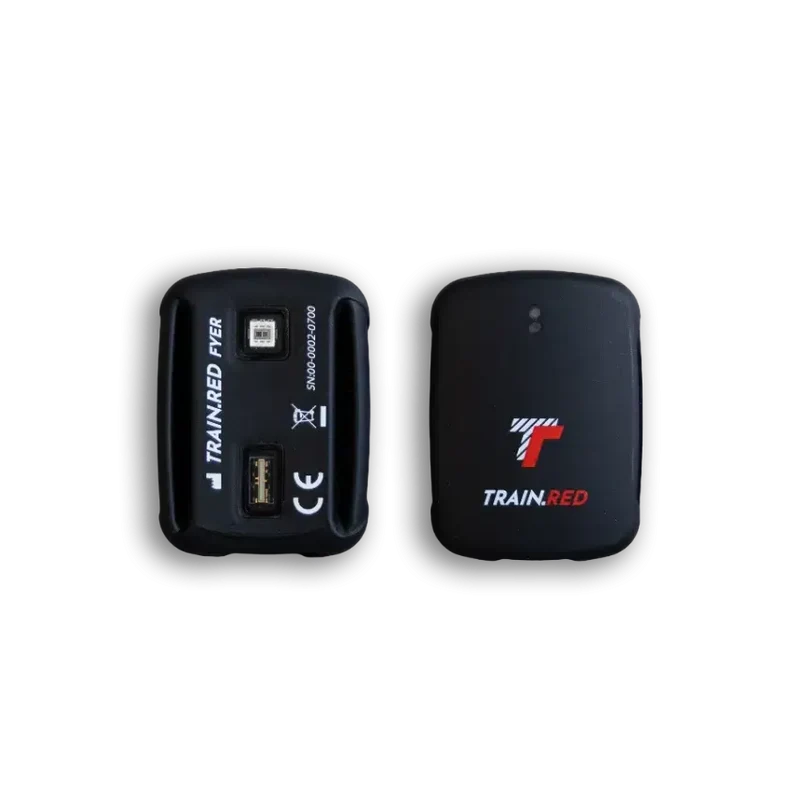
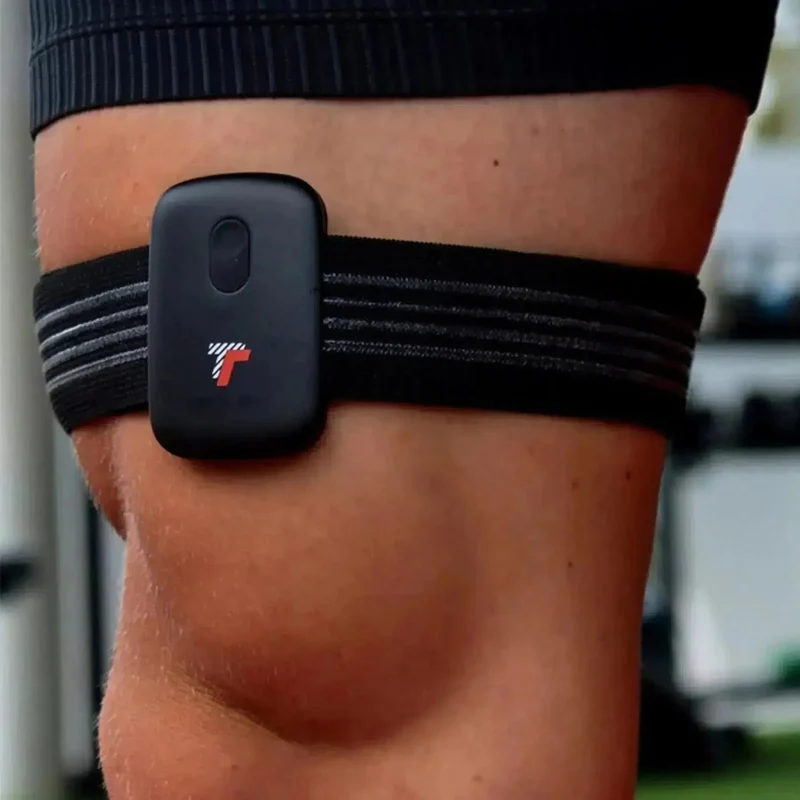
The hardware operates through brilliant engineering principles. Strapped securely to primary locomotive tissues like the vastus lateralis or rectus femoris, the ultra-lightweight 20-gram device projects near-infrared light deep through the skin. Oxygenated hemoglobin and deoxygenated myoglobin absorb this specific light spectrum at distinctively different rates. Advanced internal algorithms measure the scattered light reflection to calculate your precise metabolic utilization. This non-invasive optical scan happens instantly, creating a seamless connection between your physical exertion and your digital tracking interface.
This continuous, high-resolution data stream provides an unprecedented window into your cellular engine. When localized oxygen demand suddenly exceeds the cardiovascular system’s ability to deliver fresh blood, tissue saturation plummets rapidly. This precise biological event signals an unsustainable effort long before your breathing rate elevates or your central nervous system indicates distress. Recognizing this event allows for proactive management rather than reactive suffering. You gain the supreme tactical advantage of feathering your power output exactly on the limit of your aerobic capacity.
Bypassing cardiovascular delay using near-infrared spectroscopy in sports
Dynamic efforts expose the profound advantages of localized telemetry. Initiating a hard sprint or attacking a steep climb demands instant fuel at the muscular site. Central nervous systems take up to half a minute to elevate systemic blood flow and pump it to the extremities. Basing your pace strictly on delayed cardiac responses invites catastrophic lactate flooding during the opening moments of an interval. Applying near-infrared spectroscopy in sports totally eliminates this dangerous vulnerability by measuring the exact site of consumption instantly.
Because the optical sensor reads the vascular bed directly, saturation graphs respond within milliseconds to mechanical shifts. Surging your external wattage immediately crashes your local oxygen levels. Such instant feedback loops allow microscopic pacing adjustments impossible with older technology. Analytical competitors navigating complex race strategies find this immediate data stream invaluable. You monitor exactly how many physiological reserves you burn during short, punchy surges. Visual confirmations prevent you from executing breakaway attempts that inevitably lead to catastrophic muscular failure.
Pinpointing biological thresholds without laboratory visits
Highly motivated individuals frequently object to the logistical nightmares surrounding physiological testing. Identifying exact aerobic and anaerobic borders traditionally demands clinical visits, expensive metabolic carts, and painful blood lactate pricks. Such static data outdates rapidly as fitness builds throughout the training block. The Train.Red FYER 2.0 decentralizes this entire process effectively. It allows you to quantify cellular responses and structural strain directly in the field without any prohibitive clinical constraints.
Executing structured progressive ramp tests on smart trainers reveals undeniable inflection points in your saturation trends. Early stages of the test show relative stability or slight increases due to localized vasodilation improving blood flow. As intensity systematically surges, you observe a distinct downward deflection where utilization outpaces supply. This initial drop correlates heavily with your true aerobic threshold. Subsequent steep and continuous crashes indicate crossing the definitive anaerobic threshold, signaling that you operate on borrowed time.
Capturing these critical markers dynamically ensures your long endurance sessions and critical intervals align perfectly with your current fitness level. You avoid relying on obsolete clinical numbers generated six weeks ago in a temperature-controlled laboratory. Instead, you adapt your physiological zones based on immediate, real-world biological reality. Utilizing near-infrared spectroscopy in sports keeps every pedal stroke perfectly optimized. You guarantee maximum efficiency every time you step onto the track or clip into the pedals.
Perfecting intervals with near-infrared spectroscopy in sports
Top-tier conditioning relies heavily on repeated maximum efforts. However, interval training remains only as effective as the recovery preceding each subsequent bout. Sticking to rigid time-based rest periods ignores your biological readiness completely. Starting the next hard interval before clearing metabolic waste ruins your power output and invites non-functional damage. Failing to replenish local energy stores compromises the primary adaptive stimulus of the entire workout session.
Monitoring localized extraction revolutionizes how you manage rest. Instead of watching standard countdown timers on a head unit, you actively watch your saturation rebound toward its physiological baseline. Plateaus in the recovery curve provide objective, undeniable proof that your local energy systems stand fully replenished. The Train.Red FYER 2.0 tracks this critical recovery rate seamlessly, transitioning interval execution from a blind guessing game into an exact biological science.
Initiating efforts at this precise moment guarantees you remain biologically primed to hit target wattages. This loop prevents you from digging inescapable fatigue holes early in the session. Furthermore, incorporating a highly responsive muscle oxygen sensor prevents you from resting too long and losing the cumulative stimulus. Monitoring the speed of recovery itself provides invaluable insight into overall fitness progression. Faster baseline rebounds indicate increasing capillary density and enhanced mitochondrial efficiency.
Integrating near-infrared spectroscopy in sports ecosystems
Premium sports technology often carries the hidden burden of compounding monthly software subscriptions. These recurring costs erode the perceived value of the hardware and create massive friction for users. Train.Red disrupts this frustrating industry standard by offering their comprehensive application entirely free of ongoing charges. This structure secures your long-term investment flawlessly. It ensures your access to critical physiological data never falls behind a restrictive corporate paywall.
The hardware delivers incredible technical specifications purposefully engineered for rigorous outdoor environments. An advanced integrated Inertial Measurement Unit actively maps mechanical movement patterns directly against physiological fatigue accumulation. Massive onboard storage captures over a thousand hours of standalone high-resolution session data. This frees athletes entirely from carrying secondary smartphones during intense workouts. Highly optimized internal batteries provide extensive active usage exceeding twenty continuous hours. Furthermore, robust IPX7 waterproof casings withstand torrential conditions effortlessly, guaranteeing your critical data collection remains pristine during grueling endurance competitions.
Proprietary analytical algorithms immediately translate complex raw hemoglobin telemetry into five intuitive, actionable performance states. Users instantly recognize whether their underlying tissues remain perfectly stable, recover actively, or rapidly approach absolute metabolic limits. You never need an advanced academic degree in exercise science to interpret this visual output accurately. Built-in dual Bluetooth and ANT+ broadcasting capabilities ensure flawless data synchronization with leading cycling computers and premium fitness smartwatches. The scalable software architecture even allows elite coaches to connect multiple independent sensors simultaneously for complex bilateral movement analysis.
Final verdict on cellular performance mastery
Breaking through entrenched plateaus demands absolute precision. Relying on subjective feelings and lagging cardiac indicators leaves critical actionable data completely unmeasured. Such outdated methodologies force you to guess how your muscular engine actually responds to imposed physical stress. The modern competitive landscape requires stripping away the ambiguity of daily physiological fluctuations and accumulated fatigue. You must base your strategy on undeniable internal facts rather than external assumptions.
Adopting advanced localized telemetry represents a massive paradigm shift in rigorous athletic architecture. Immediate visibility into metabolic efficiency removes the vulnerability of cardiovascular delay definitively. You train the cellular engine directly rather than merely measuring the systemic exhaust. Discovering the true source of your endurance power dictates looking beyond the central cardiac pump. Optimal power originates directly within the working tissues driving the movement.
Transitioning from reactive survival to proactive metabolic management guarantees that every watt produced remains biologically optimized. Embracing near-infrared spectroscopy in sports serves as the definitive baseline for intelligent execution. This sophisticated hardware operates as a foundational analytical tool, empowering individuals who refuse to leave their results to chance. Eliminate the guesswork from your intervals, harness the unmatched power of real-time cellular data, and assume uncompromising command of your ultimate physical capabilities.

