

The world of competitive hybrid fitness demands precise insights into human physiology to sustain maximum mechanical output. Athletes competing in grueling endurance events often rely on systemic cardiovascular metrics to gauge their total physical effort. While tracking the heart rate provides a foundational overview of the human engine, it consistently fails to illustrate the acute metabolic events occurring inside individual muscle fibers. To eliminate this critical diagnostic blind spot, modern sports science relies on wearable SmO2 technology to measure actual tissue states directly beneath the skin. The Train.Red FYER 2.0 introduces a revolutionary approach to performance monitoring by utilizing precise near-infrared optical sensors. Valued at € 699,00, this sophisticated piece of diagnostic hardware empowers elite athletes, strength coaches, and facility managers with immediate insights into tissue oxygen utilization.
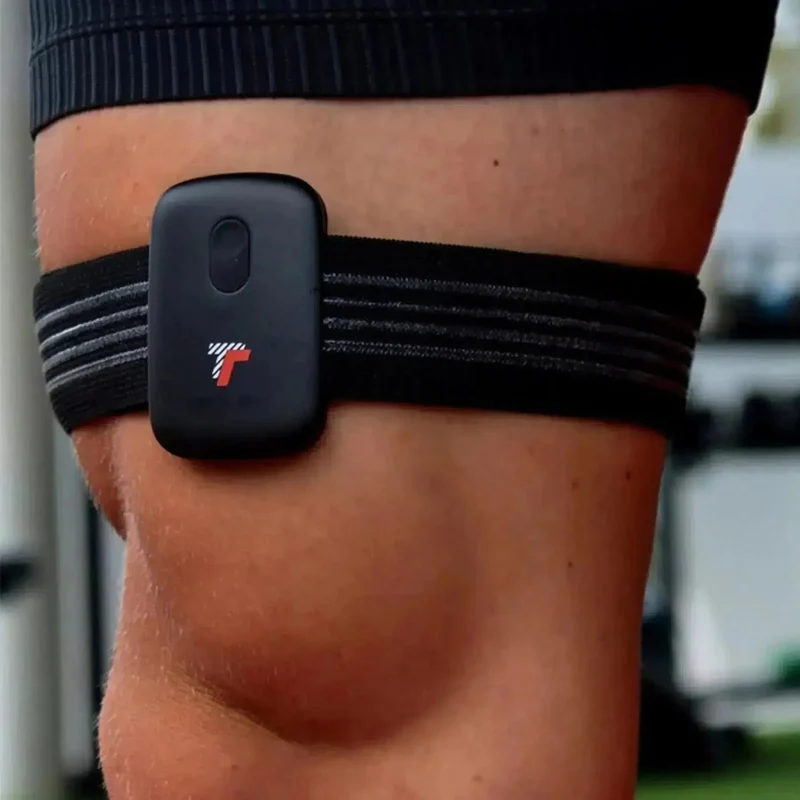
Solving the physiological bottleneck with wearable SmO2 technology
Decathlon-style functional fitness events combine aggressive cardiovascular challenges with immense heavy resistance movements. During these diverse metabolic challenges, athletes rarely experience a total systemic cardiovascular failure. Instead, their mechanical pacing strategies crumble due to sudden, localized muscular exhaustion. When a competitor executes repeated high-force contractions against a heavy sled or performs extended sequences of wall balls, the specific working muscle groups demand an immediate influx of oxygen to fuel aerobic energy pathways.
If the localized oxygen requirement surpasses the cardiovascular system’s capacity to pump oxygenated blood into that targeted region, the tissue enters a rapid state of deoxygenation. An athlete might look at their wrist monitor and assume they remain in a comfortable cardiovascular zone. However, their quadriceps or shoulders might simultaneously cross a dangerous threshold into severe peripheral fatigue. This biological bottleneck forces the athlete to take unplanned rest intervals, breaking their momentum and destroying their target event time.
Athletes who harness wearable SmO2 technology can identify the precise moment when oxygen extraction exceeds oxygen delivery. Recognizing the profound difference between overall systemic exhaustion and local tissue failure dictates whether a competitor maintains an aggressive pace or succumbs to abrupt fatigue. Competitors actively manipulate their movement cadence based on these objective insights, ensuring they generate absolute peak power without crossing the threshold into unrecoverable mechanical failure.
Analyzing tissue states using wearable SmO2 technology
To bridge the massive diagnostic gap between central cardiovascular output and localized muscular fatigue, leading sports science professionals rely on near-infrared spectroscopy (NIRS). NIRS serves as the operational foundation for the Train.Red FYER 2.0 ecosystem, providing continuous, non-invasive visibility into the complex physiological processes happening deep within the muscle belly. The sensor emits harmless near-infrared light waves through the skin directly into the active capillary beds.
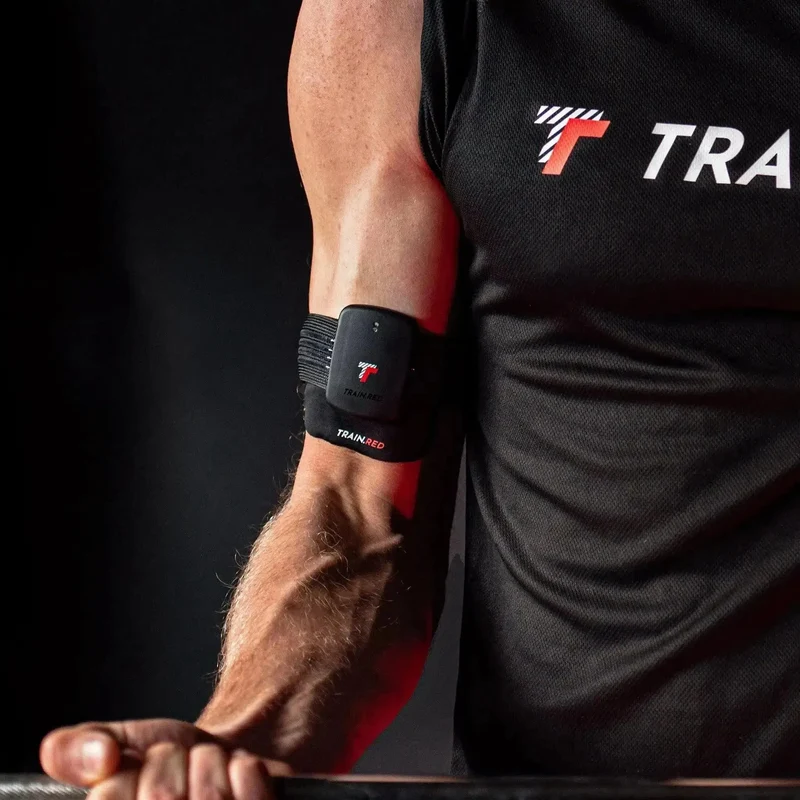
According to comprehensive scientific literature on muscle oximetry, oxygenated hemoglobin and deoxygenated hemoglobin scatter these light wavelengths distinctly, allowing the optical receiver to calculate precise oxygen saturation percentages instantly. The most critical measurement derived from this sophisticated optical analysis is real-time muscle oxygen saturation, typically abbreviated as SmO2. Coaches and athletes must distinguish SmO2 from standard SpO2.
Traditional pulse oximeters measure SpO2 to analyze the overall systemic oxygen saturation circulating through peripheral extremities. In contrast, wearable SmO2 technology isolates and quantifies the exact percentage of oxygen available strictly within the targeted working muscle tissue. When a competitor secures the optical sensor to their vastus lateralis before initiating a grueling metabolic interval, the device streams an unbroken flow of quantified biological data.
This continuous objective feedback eliminates the reliance on intuition when constructing complex pacing strategies. As the athlete sustains a heavy workload, they can observe a clear numerical decline in their local oxygen reserves. If the saturation level drops rapidly toward a critical baseline, the data dictates an immediate reduction in mechanical power or a mandatory rest phase to allow the tissue to recover.
Quantifying mechanical strain and muscular readiness
Competitive fitness programming demands a profound understanding of how localized tissue responds to severe mechanical stress over prolonged periods. The Train.Red system addresses this necessity by calculating advanced proprietary metrics, including distinct muscle states and cumulative strain scores. These complex algorithms transcend basic physiological monitoring by delivering a highly quantified analysis of the internal stress imposed on specific muscle fibers during intense lifting sessions and aerobic blocks.
During repeated bouts of heavy force production, the active muscle sustains deep physiological strain that external loading parameters fail to illustrate. Wearable SmO2 technology analyzes instantaneous oxygen fluctuations to categorize the exact metabolic state of the tissue. The software identifies whether the muscle operates in an aerobic steady state, dips deeply into an anaerobic deficit, or rapidly approaches catastrophic structural failure.
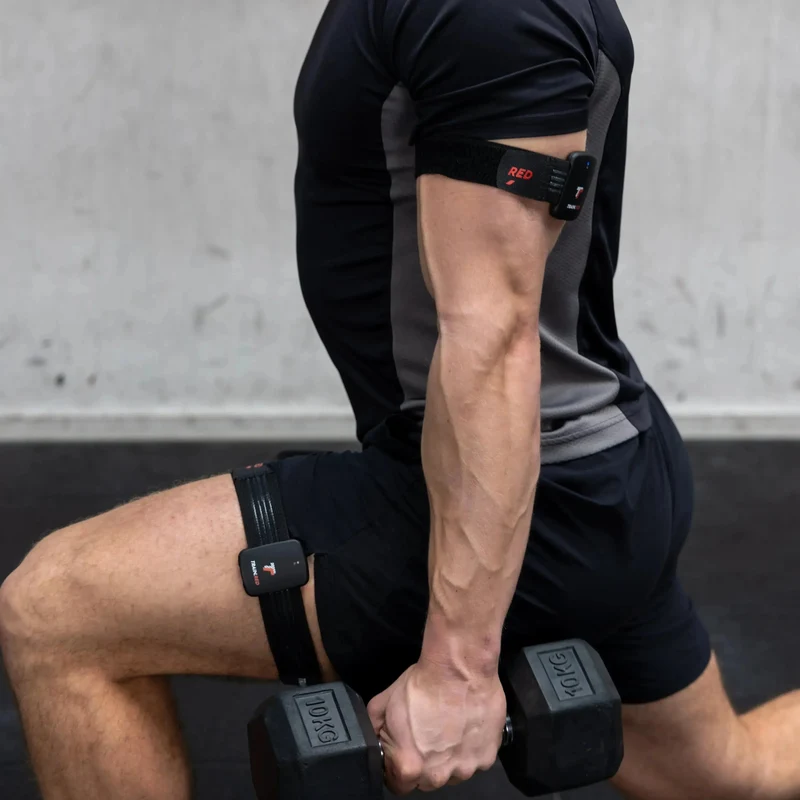
By transforming complex biological variables into intuitive visual states, the diagnostic hardware provides immediate insights that any athlete can understand without holding an advanced degree in exercise physiology. Tracking mechanical strain scores allows head coaches and facility managers to monitor the true internal load placed on specific movement patterns over an entire training cycle.
Hybrid sports frequently lead to diminished power output or overuse injuries when athletes overtrain specific muscle groups. Internal load data helps professionals determine whether a competitor should dedicate their next session to active recovery, pivot to an alternative movement pattern, or proceed with another maximum-effort interval sequence.
Optimizing recovery protocols with wearable SmO2 technology
The precise execution of intra-workout rest periods remains a critical variable in elite functional fitness programming. Athletes often determine their rest intervals between heavy resistance sets by relying on generalized work-to-rest ratios or subjective intuition. Wearable SmO2 technology removes this massive layer of guesswork by objectively tracking exact oxygen utilization rates and physiological recovery speeds. This objective capability completely transforms how athletes approach metabolic conditioning and structure their competitive pacing.
When the athlete executes a high-output physical movement, the diagnostic sensor records exactly how rapidly the tissue depletes its available energy resources. The moment the athlete drops the barbell and begins a designated rest period, the device shifts its focus to monitor the localized re-oxygenation rate. The speed at which oxygen returns to a depleted muscle varies significantly across different athletes and fluctuates based on mitochondrial efficiency, capillary density, and cumulative central fatigue.
Relying on arbitrary rest timers frequently derails athletic performance during high-stakes competitions. If a competitor rests for a standard sixty seconds, but their quadriceps require eighty seconds to return to physiological baseline, the athlete generates a compounding metabolic debt. This continuous debt eventually guarantees a massive mechanical failure later in the workout.
Conversely, if the tissue fully re-oxygenates in just forty seconds, resting any longer simply wastes critical competition time. Integrating wearable SmO2 technology ensures athletes rest precisely until their biology dictates readiness, maximizing their overall functional work capacity.
Engineering wearable SmO2 technology for extreme environments
Manufacturers must engineer athletic diagnostic equipment to survive the exceptionally brutal conditions inherent to functional fitness environments. Wearable sensors deployed in commercial gyms and outdoor race arenas routinely face heavy physical impacts, constant chalk exposure, excessive perspiration, and dynamic multi-planar movements. The physical architecture of the Train.Red sensor perfectly balances highly sensitive internal optical receivers with a remarkably resilient exterior construction.
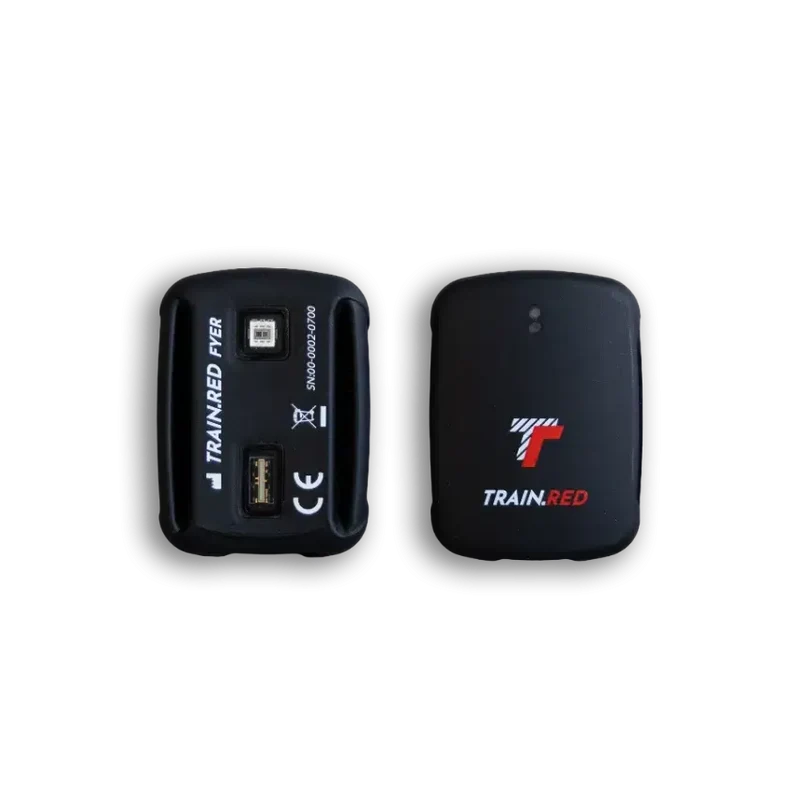
The complete sensor unit weighs only twenty grams, ensuring it never impedes natural biomechanics during complex gymnastic movements or heavy Olympic weightlifting sequences. This incredibly minimal footprint keeps the hardware sitting flush against the athlete’s skin, preventing the device from becoming a physical snag hazard during high-speed intervals. To support endurance events and multiple daily training sessions, the robust internal battery system delivers up to twenty hours of continuous operational tracking on a single charge.
Extreme environmental durability remains a non-negotiable requirement for hardware operating in this demanding athletic sector. The sensor carries a certified IPX7 waterproof rating, ensuring the internal microprocessors remain fully protected against heavy sweat and unpredictable outdoor weather conditions.
Furthermore, the hardware features integrated onboard memory storage. Athletes can record high-resolution physiological data completely offline during track sprints or dynamic events where carrying a mobile phone proves physically impossible. The standard package includes the main sensor, a waterproof charging cable, custom adhesive application patches, securing straps, and a protective travel case.
Scaling data integration for professional team management
Generating accurate physiological data represents just one component of applied sports science; effectively utilizing that information requires a seamless digital infrastructure. Facility owners, personal trainers, and head coaches face immense logistical challenges when monitoring large rosters of competitive athletes simultaneously. The developers designed the Train.Red ecosystem specifically to support deep individual diagnostics while facilitating comprehensive group monitoring without enforcing the prohibitive recurring licensing fees common across the sports technology market.
Athletes access their physiological insights through the proprietary mobile application, provided entirely free of charge with no ongoing subscription requirements. This transparent financial approach removes traditional barriers to elite sports science, granting lifetime access to the primary software interface following the initial hardware investment.
The mobile application continuously processes the raw optical NIRS data streams, instantly translating complex variables into highly readable dashboards that display precise oxygen percentages, muscle states, and recovery metrics. The digital architecture excels within professional team environments by allowing coaches to connect more than ten active sensors wirelessly to a single monitoring tablet.
This advanced connectivity proves invaluable for gym owners managing large metabolic conditioning classes or professional sports teams executing synchronized training camps. A head coach pacing the gym floor can simultaneously evaluate the localized muscular oxygenation states of an entire squad at a single glance. This centralized hub ensures coaching staff can instantly identify which competitors execute their pacing strategy flawlessly and who requires immediate tactical intervention to prevent mechanical failure.
Elevating elite performance through objective biology
Integrating localized tissue oxygen monitoring represents a mandatory evolution in how functional fitness competitors construct their daily training methodologies and execute high-stakes competition strategies. By shifting their analytical focus away from generalized cardiovascular indicators toward precise muscular data, athletes identify and overcome the exact metabolic bottlenecks limiting their physical potential. The Train.Red FYER 2.0 Muscle Oxygen Sensor delivers a scientifically rigorous, objective mechanism for analyzing these critical physiological variables during live workouts.
Available at € 699,00, this comprehensive hardware and software solution provides competitors with the precise biological data required to optimize physical intensity and manage internal mechanical strain. The exceptionally durable twenty-gram construction, reliable IPX7 waterproof rating, and independent offline storage ensure the sensor thrives in the most unforgiving hybrid fitness environments.
Supported by an innovative subscription-free software platform capable of monitoring large athletic teams simultaneously, the ecosystem scales effortlessly from individual athletic preparation to elite organizational management. By adopting wearable SmO2 technology, competitors permanently eliminate intuition from their metabolic conditioning protocols, empowering them to sustain absolute maximum performance outputs with absolute biological precision.

