
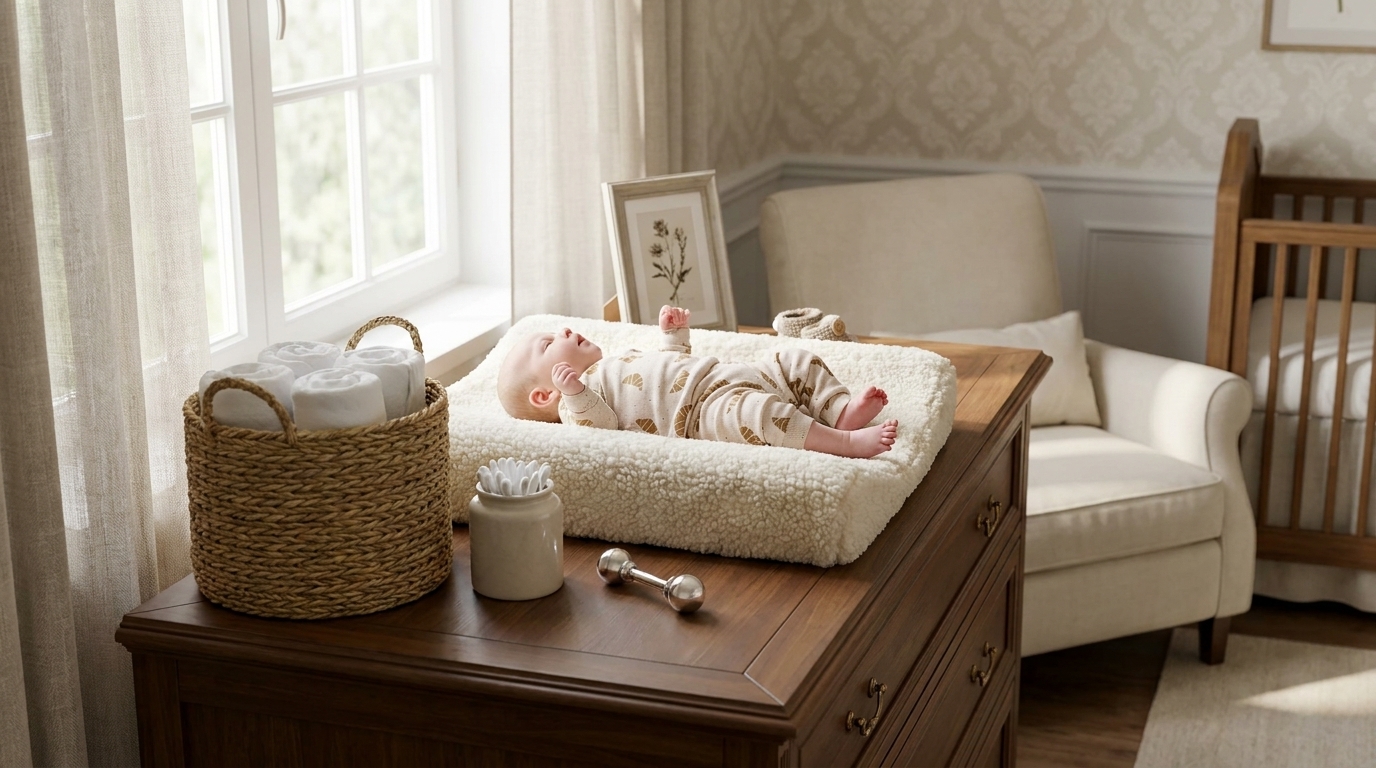
Welcoming an infant grandchild into your family represents an extraordinary emotional milestone. As a dedicated grandparent, your home quickly transforms into a secondary sanctuary for the baby. You want every single detail to reflect the immense love and care you hold for this arriving addition. When you establish a dedicated space for your grandchild, you curate an environment of absolute safety, warmth, and predictability. Affluent grandparents who appreciate premium quality refuse to settle for standard, institutional baby gear. You prioritize absolute comfort above all other considerations. A sensory newborn diapering liner provides the ultimate solution for combining physical safety with unparalleled emotional warmth. This single addition elevates the entire nursery experience.
In the past, nursery equipment prioritized strict functionality over sensory comfort. Manufacturers produced cold, hard, and clinical designs that ignored infant physiological needs. Modern approaches focus entirely on developmental well-being and emotional security. Having a dedicated station ready at a moment’s notice prevents frantic scrambling during unexpected family visits. It ensures you maintain a predictable, completely safe environment ready for immediate use. Because caretakers change diapers frequently, the surface must feel inviting rather than harsh. Vital eye contact and essential bonding happen right here. Therefore, you must reject stark plastic mats in favor of luxurious textures.
Understanding the modern sensory newborn diapering liner aesthetic
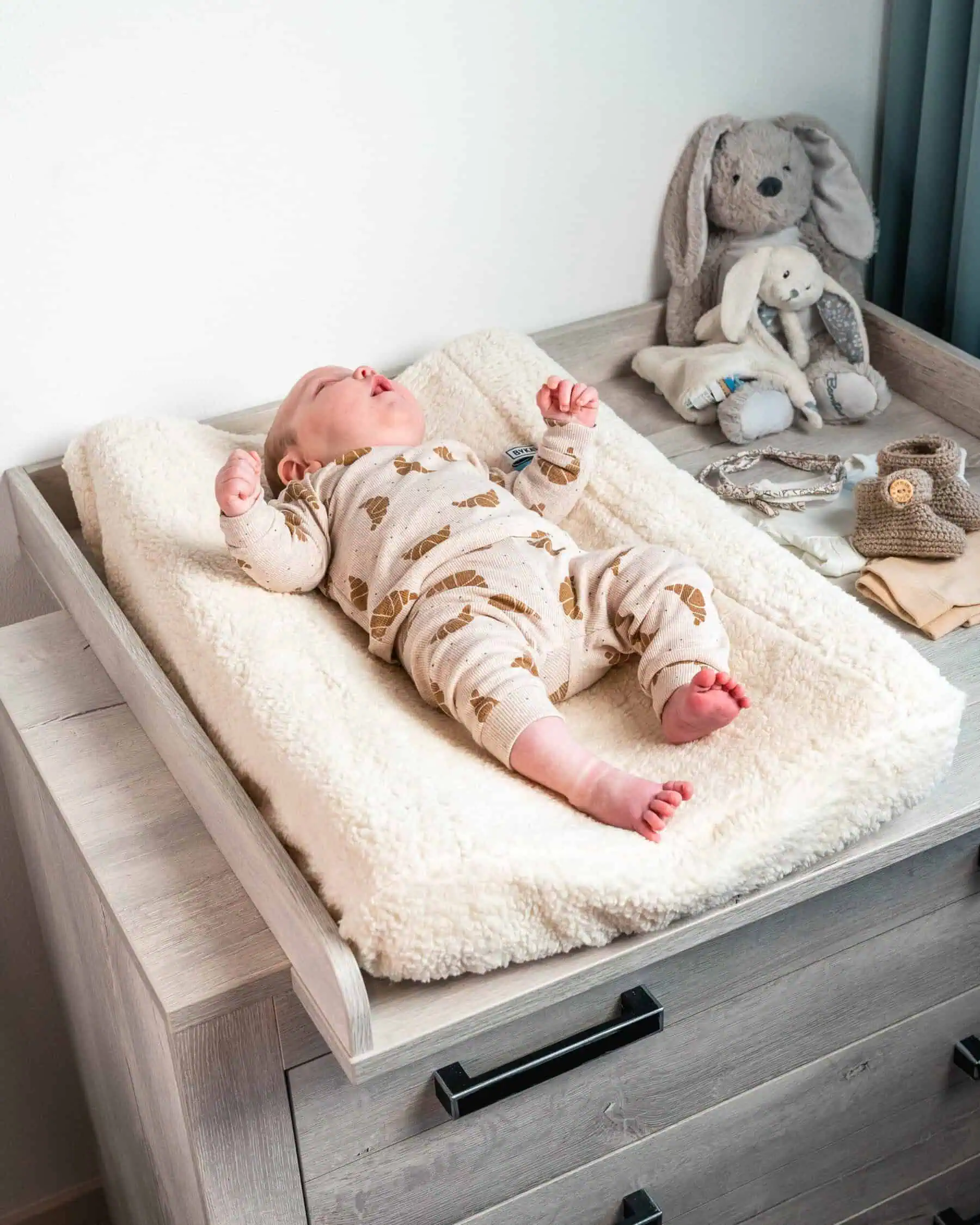
To fully appreciate this nursery addition, one must understand how a specialized fabric operates. Think of it conceptually as a meticulously tailored fitted sheet designed exclusively for unique infant contours. Using a high-quality sensory newborn diapering liner completely changes the physical environment. It replaces a rigid, waterproof foam mat with a highly textured, cloud-like resting surface. This fabric serves as the crucial barrier between delicate skin and the cold realities of standard nursery furniture. Elevating a basic functional item transforms it into a remarkably soft destination for the infant.
The physical sensation of the fabric feels remarkable against bare skin. The deep, nubby texture closely resembles a comforting plush blanket, providing an immediate cushioning effect. This deep pile ensures that laying down becomes a soothing experience rather than a jarring physical shock. By dressing the station like a luxury mattress in your finest guest room, you extend your home’s standard of comfort to the most vulnerable family members. Every touch feels inviting, warm, and exceptionally secure. Grandparents love providing this elevated tactile experience.
Mitigating the startle reflex with a sensory newborn diapering liner
Extreme softness serves a critical physiological purpose beyond mere visual appeal. Infants possess highly sensitive, rapidly developing nervous systems. When a caregiver places a baby on an unadorned plastic surface, the infant registers the sudden temperature drop as a physical shock. This sensory overload triggers an involuntary protective mechanism called the Moro reflex. Caretakers often call this the startle reflex. When triggered, the infant throws their arms outward, gasps sharply for air, and begins crying instantly. Triggering this reflex turns a routine hygiene task into a stressful ordeal.
Caretakers can proactively prevent distress by understanding this predictable physiological response. A proper sensory newborn diapering liner acts as an exceptional thermal buffer against cold environments. The plush fabric immediately mimics the warmth of a human embrace, preventing dangerous sensory shock. Imagine stepping out of a relaxing bath onto an icy tile floor versus stepping onto a thick, heated rug. Your body reacts entirely differently based on the surface texture. Preventing abrupt temperature shifts keeps the infant perfectly regulated, calm, and cooperative during every interaction.
Exploring thermal regulation and your sensory newborn diapering liner
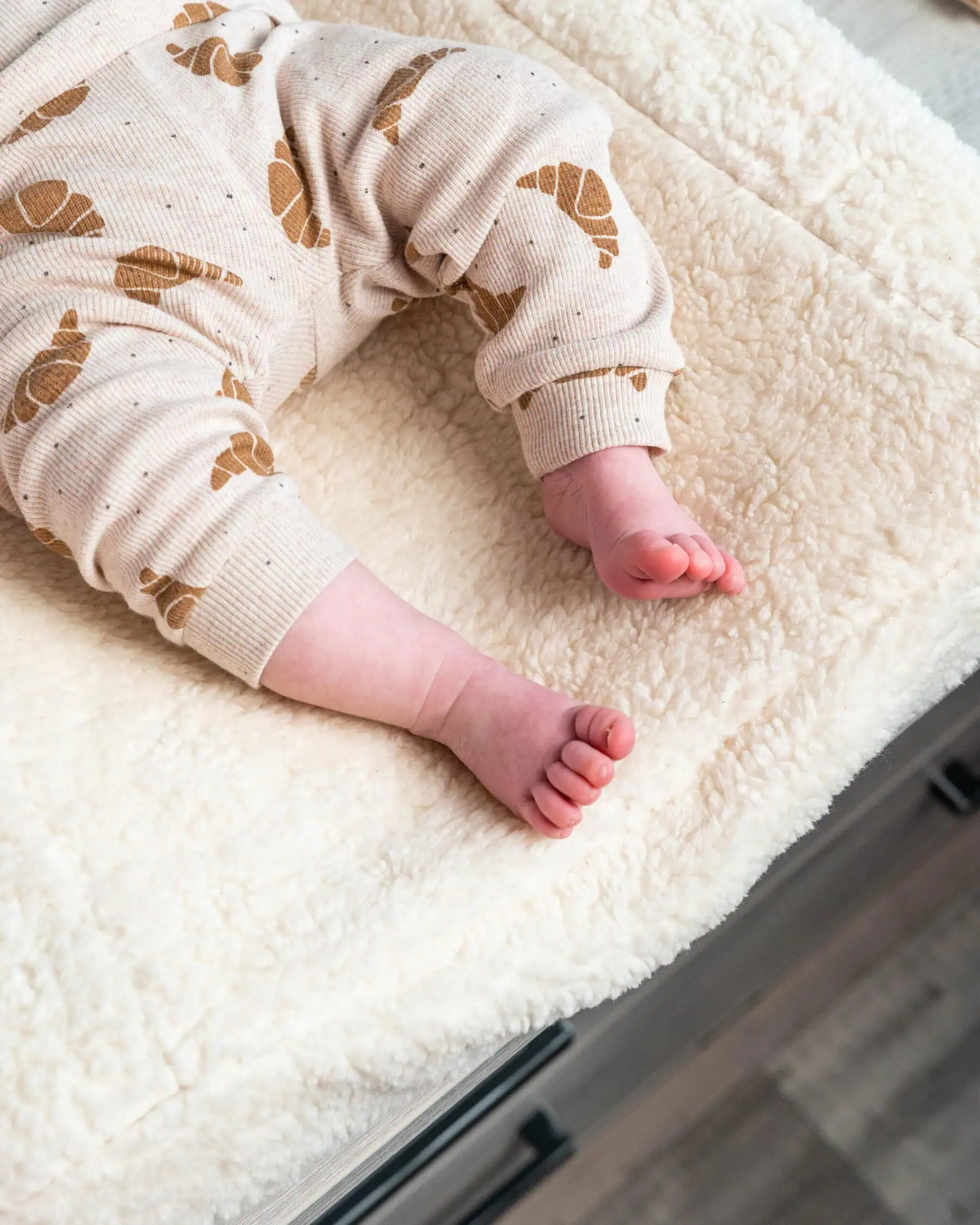
Infants lack the adult capacity to regulate their own internal body temperature efficiently. They lose body heat rapidly through evaporation and radiation when caretakers remove their warm clothing. Sudden exposure to cold air forces their tiny bodies into overdrive to generate internal heat. Because newborns cannot shiver, they burn through vital energy reserves to stay warm. This physical stress often leads to inconsolable crying during dressing routines. Cold stress remains a primary catalyst for negative nursery experiences. Proper thermal management prevents these exhausting emotional outbursts entirely.
By keeping the environmental contact points warm, you actively prevent thermal distress. The soft fabric provides immediate insulation against ambient room chills. Grandparents can seamlessly manage the transition from warm arms to the resting space without disrupting the infant’s absolute comfort. Maintaining a warm physical boundary keeps the baby calm, grounded, and physically relaxed. Caregivers notice a profound difference in the baby’s overall demeanor. Incorporating a changing pad cover Teddy Ecru guarantees a nurturing, peaceful interaction every single time.
Analyzing the sensory newborn diapering liner fabric composition
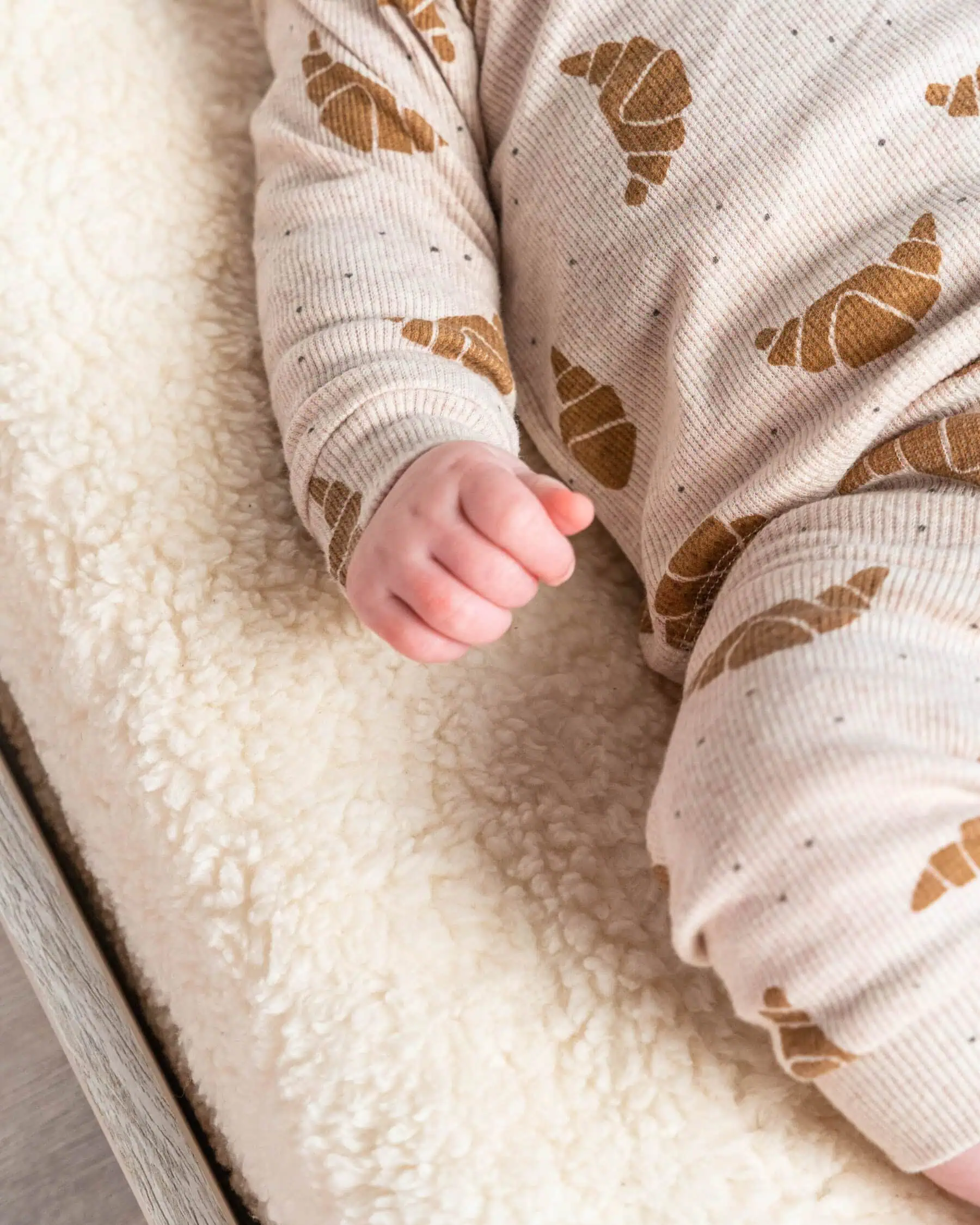
Material selection heavily influences nursery safety, hygiene, and overall comfort. This specific cover utilizes a brilliant, highly intelligent blend of organic cotton and resilient polyester. Pure cotton offers remarkable breathability and robust hypoallergenic properties. It acts as an effective environmental filter against common household irritants. However, pure natural fibers sometimes lack the structural integrity needed for continuous stretching, pulling, and washing. Combining these materials creates an engineered textile that perfectly balances luxury with essential durability.
Integrating a strong polyester base grid provides necessary foundational support. This strong backbone prevents the fabric from shedding fluff, stretching out, or losing its tailored shape after multiple uses. Meanwhile, the organic cotton forms the fluffy outer pile that directly contacts sensitive skin. Organic cotton ensures optimal air circulation, preventing the infant from overheating or sweating excessively while resting. This deliberate ratio represents a feat of modern textile engineering. The intelligent blend delivers chemical-free softness alongside the resilient durability required for everyday childcare.
Mastering effortless sensory newborn diapering liner laundry maintenance
Grandparents prefer spending precious time bonding rather than performing complex, endless laundry chores. Spills, accidents, and unexpected messes happen frequently during routine care. The true practical brilliance of a sensory newborn diapering liner lies in its completely effortless maintenance cycle. Caretakers simply remove the fabric, run a gentle machine cycle, and allow it to dry naturally. This straightforward process removes all the anxiety associated with keeping a pristine nursery environment. You spend less time scrubbing and much more time enjoying your family.
Washing at lower temperatures scientifically protects the delicate natural fibers from degradation. High heat rapidly breaks down organic materials, causing plush textures to become stiff, matted, and abrasive. Gentle wash cycles preserve the cloud-like feeling while still thoroughly sanitizing the entire surface area. Furthermore, the synthetic base grid accelerates the drying process significantly compared to pure cotton alternatives. Quick drying times mean you never have to wait long to reassemble your beautiful station.
The advanced fabric also retains its elastic memory remarkably well after repeated washing. The material slips right back onto the base pad perfectly without sagging, pulling, or bunching. A secure fit prevents hazardous loose fabric from accumulating around the moving infant. Poorly fitting sheets pose serious safety risks if the infant grabs the extra material. By maintaining its structural shape, the cover ensures caregivers enjoy pristine aesthetics without sacrificing vital safety standards.
Integrating elegant design into your home
Premium nursery gear should elevate your interior design rather than violently clash with it. Many commercial baby products feature garish, loud primary colors that disrupt sophisticated decor. Neutral beige and ecru tones offer a refined, visually pleasing alternative for modern homes. Subtle shades blend seamlessly alongside natural wood accents, classic furniture, and minimalist architectural lines. This elevated, European-style elegance adds beauty without overpowering the surrounding room. Your home remains a sophisticated sanctuary while fully accommodating the new arrival.
Exact sizing ensures the fabric hugs the underlying base tightly, creating a flawlessly smooth appearance. Adhering to strict dimensional standards provides a secure, flat, and remarkably tailored surface. Loose covers look unsightly and frustrate caregivers during busy moments. Precision engineering guarantees the material stays exactly where it belongs. Choosing the changing pad cover Teddy Ecru means selecting a premium product where exceptional visual form beautifully meets flawless daily function. You receive the absolute best of both worlds.
Assembling the ideal comfort station logically
Building the perfect station requires a logical, highly intentional step-by-step approach. First, select a quiet room with soft, natural lighting to prevent visual overstimulation. Position the furniture at a comfortable standing height to protect adult posture during extended daily use. Second, invest in a properly sized base cushion to provide substantial foundational support. A high-quality foam base absorbs pressure and keeps the infant perfectly level.
Next, stretch your chosen sensory newborn diapering liner over the base, ensuring the elastic edges grip all corners tightly. This single, simple action elevates the entire setup from purely functional to wonderfully luxurious. Fourth, organize essential supplies strategically. Keep wipes, fresh garments, and soothing creams within immediate arm’s reach. You must never leave the infant unattended on an elevated surface. Preparation ensures the process flows smoothly and safely.
Cultivating peaceful connections and joyful memories
Establishing a high-quality space represents a profound gesture of familial love and deep anticipation. Rejecting cold, clinical surfaces in favor of deep, textured warmth actively supports early developmental well-being. Routine tasks instantly transform into beautiful opportunities for calm, joyful connection. Caretakers can take their time, sing gentle songs, and make sustained eye contact. You enjoy peaceful interactions instead of desperately soothing a startled, distressed infant.
Your home functions as a comforting sanctuary, and your nursery equipment must reflect that fundamental truth. Understanding organic material blends, thermal regulation, and elegant design empowers families to make exceptional choices. You control the physical environment, ensuring the infant feels nothing but love and security. Investing in premium comfort ensures every grandchild visit happens with unparalleled care, absolute safety, and unwavering warmth. You build a foundation for lifelong emotional bonds through these thoughtful, daily interactions.

